


Water Ionizer: Everything You Need to Know Before You Buy (2025)
Updated: April 2025 | Category: Alkaline Filters | Reading time: 14 min
A water ionizer promises cleaner, alkaline, mineral-rich water straight from your tap. But with prices ranging from $30 portable sticks to $5,000+ electric machines, the market can be overwhelming. This guide cuts through the marketing noise to explain exactly how water ionizers work, what they can (and cannot) do, and how to choose the right one for your needs and budget.
What Is a Water Ionizer?
A water ionizer is a device that alters the pH and mineral composition of your drinking water. The term covers a broad range of products — from high-end electric machines that use electrolysis to split water into alkaline and acidic streams, to simple mineral filters and portable sticks that passively raise pH through contact with mineral media.
The core idea behind all water ionizers is the same: produce water with a higher pH (typically 8.0–9.5) and a richer mineral profile than standard tap water. What varies dramatically is the method, the price, and how much the technology actually delivers.
How Water Ionizers Work
There are three fundamentally different approaches to water ionization:
Electric Ionizers (Electrolysis)
The most sophisticated method. Water passes through platinum-coated titanium electrode plates inside an electrolysis chamber. A direct electrical current causes positively charged mineral ions (calcium, magnesium, potassium) to migrate toward the negative cathode, creating alkaline water. Meanwhile, negatively charged ions gather at the positive anode, creating acidic water. An ion-permeable membrane separates the two streams.
The alkaline stream (pH 8–11) exits through the main spout for drinking, while the acidic stream (pH 4–6) exits through a drain hose and can be used for cleaning or skincare. Electric ionizers also produce water with a negative ORP (Oxidation Reduction Potential), which some claim has antioxidant properties, and molecular hydrogen (H2).
Mineral Filtration (Passive Ionizers)
These systems pass water through alkaline mineral media — calcite, maifan stone, tourmaline, alkaline ceramic beads, or KDF alloy. The minerals dissolve slowly into the water, raising pH to a mildly alkaline 8.0–9.0 and adding trace calcium, magnesium, and potassium. This approach requires no electricity and is far more affordable, though it offers less pH control and does not produce molecular hydrogen or negative ORP.
Hydrogen-Rich Generators
A newer category that uses PEM (Proton Exchange Membrane) electrolysis specifically to infuse water with dissolved molecular hydrogen (H2) without necessarily changing pH. Available as portable bottles, pitchers, or countertop machines. These focus on hydrogen production rather than alkalinity.
Genuine Benefits
What Water Ionizers Reliably Deliver
- Better-tasting water: Virtually all users report smoother, more pleasant-tasting water compared to untreated tap — a result of chlorine removal, mineral addition, and pH adjustment.
- Contaminant removal: Most ionizers include pre-filtration (activated carbon, sediment filters) that removes chlorine, some heavy metals, and particulates. Quality varies significantly between models.
- Mineral enrichment: Added calcium, magnesium, and potassium contribute to daily mineral intake and improve water mouthfeel.
- Reduced plastic waste: Any home water treatment eliminates bottled water dependency.
- Molecular hydrogen (electric/H2 models): Emerging research suggests dissolved H2 may have antioxidant and anti-inflammatory properties, though human clinical evidence is still limited.
What the Science Is Less Certain About
- pH-related health claims: Your body tightly regulates blood pH (7.35–7.45) regardless of what you drink. Claims about alkaline water “curing” diseases or “detoxifying” the body are not supported by robust clinical evidence.
- Superior hydration: A small 2017 study showed improved hydration markers in athletes drinking alkaline water, but larger studies are needed before drawing firm conclusions.
- Anti-aging and cancer prevention: These are marketing claims with no credible scientific backing. Be sceptical of any manufacturer making such promises.
Drawbacks and Red Flags
- Exaggerated health claims: The biggest red flag in this industry. Any brand claiming their ionizer cures cancer, reverses aging, or detoxifies organs is making unsubstantiated claims. Buy based on water quality improvement, not miracle promises.
- High cost of electric ionizers: Premium electric machines cost $1,500–$5,000+. For most households, a $50–$300 mineral filter or pitcher achieves similar pH results at a fraction of the cost.
- Ionization does not equal filtration: The electrolysis process itself does not remove contaminants. Only the built-in pre-filters handle that. A cheap ionizer with poor filtration gives you alkaline water that still contains impurities.
- Maintenance requirements: Electric ionizers need regular electrode cleaning to prevent calcium scale buildup, especially in hard water areas. Filter cartridges need replacement every 6–12 months ($50–$150/year).
- Medication interactions: Very high pH water (above 10) can interfere with absorption of certain medications. Consult your doctor if you take regular medication.
- Misleading ORP claims: Built-in ORP meters are often inaccurate. Treat ORP as a secondary indicator, not a primary buying criterion.
Types of Water Ionizers
| Type | Method | pH Range | Price | Best For |
|---|---|---|---|---|
| Electric Countertop Ionizer | Electrolysis plates | pH 3–11.5 | $1,000–$5,000+ | Enthusiasts wanting precise pH + H2 |
| Electric Under-Counter Ionizer | Same, hidden install | pH 3–11.5 | $1,500–$5,000+ | Premium kitchens |
| Gravity-Fed Mineral Filter | Mineral media raises pH | pH 8–9 | $50–$200 | Families, renters, budget |
| Undersink RO + Alkaline | RO membrane + remineraliser | pH 8–9 | $200–$600 | Maximum purity + alkalinity |
| Alkaline Pitcher/Jug | Mineral cartridge in jug | pH 8–9.5 | $30–$150 | Try-before-you-commit, small homes |
| Portable Ionizer Stick | Mineral blend in steel tube | pH 8–9 | $15–$50 | Travel, gym, on-the-go |
Buying Guide: What Actually Matters
1. Filtration Quality (Most Important)
The filtration system matters far more than the ionization method. Look for multi-stage pre-filtration with activated carbon, and check for third-party certifications (NSF, SGS, WaterMark). The best systems remove chlorine, heavy metals, sediment, and ideally fluoride and microplastics. Without good filtration, you are simply ionizing contaminated water.
2. Plate Count and Material (Electric Only)
For electric ionizers, plates are the engine. More plates mean wider pH range and better ionization. Five plates suit light use; 7–11 plates are ideal for families. Solid titanium plates coated with medical-grade platinum are the gold standard. Avoid mesh or slotted plates — they are cheaper but degrade faster.
3. pH and ORP Range
For drinking, pH 8.0–9.5 is the sweet spot. Built-in ORP meters are often unreliable, so do not overpay for this feature. What matters more is verified hydrogen output (1.0+ PPM is good, 1.5+ PPM is excellent).
4. Self-Cleaning Capability
Electric ionizers that automatically clean their plates (continuous or reverse-polarity cleaning) last longer and perform more consistently. Manual acid-wash cleaning is inconvenient and less effective over time.
5. Total Cost of Ownership
A $2,000 electric ionizer with $150/year filter costs = $2,750 over 5 years. A $150 gravity filter with $60/year cartridges = $450 over 5 years. Both produce mildly alkaline water. Decide if the electric features (precise pH control, H2, acidic water output) justify 6x the cost for your needs.
6. Warranty
Lifetime warranties signal quality and confidence. At minimum, look for 3–5 years. Avoid brands that offer less than 2 years on machines costing over $500.
Our Top 5 Picks for 2025
Here are five water ionizers that offer real value across different budgets and use cases.
| Product | Type | Key Feature | Price | Links |
|---|---|---|---|---|
| Alkanatur Alkaline Pitcher | Pitcher | Removes fluoride, PFAs, pH 9.5 | ~$144 | Amazon eBay |
| 20L 8-Stage Alkaline Dispenser | Gravity-fed | 8-stage, 20L, SGS certified | Check | Amazon eBay |
| 5-Stage Alkaline RO 150G | Undersink RO | RO + alkaline, 150GPD, 8L tank | ~$295 | Amazon eBay |
| Organic Greek Ionizer Stick | Portable stick | 304 SS, 300 uses, self-cleaning | Check | Amazon eBay |
| Alkaline Electrolyzed Water Machine | Countertop electric | Built-in carbon filter, H2-rich | Check | Amazon eBay |
Brief Reviews
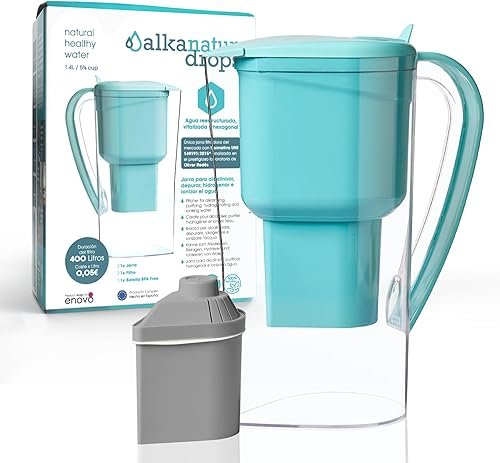
1. Alkanatur Alkaline Hydrogen Water Filter Pitcher

The Alkanatur stands out among pitchers for its serious filtration credentials. Using 100% natural materials including activated coconut carbon and zeolite, it removes fluoride, chlorine, microplastics, PFAs, and lead while raising pH to 9.5 and adding magnesium. No ion exchange resin means no unwanted chemical exchanges. At $144, it is a premium pitcher but one that genuinely delivers on its promises.
Pros
- Removes fluoride, PFAs, microplastics
- 100% natural filter materials
- pH 9.5 with added magnesium
- No ion exchange resin
Cons
- Higher price than basic pitchers
- Smaller capacity than benchtop units
- Filter replacement every 400L
2. 20L BPA-Free 8-Stage Alkaline Dispenser
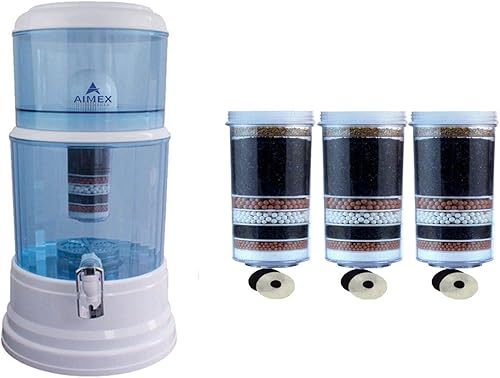
For families wanting maximum capacity with zero installation, this 20-litre gravity dispenser is hard to beat. Eight filtration stages including activated charcoal, alkaline mineral media, and ceramic elements produce clean, mineral-rich alkaline water. The split-tank design (9L upper + 11L lower) ensures a generous supply throughout the day. Comes with 3 filter cartridges for extended use.
Pros
- Huge 20L capacity
- 8-stage comprehensive filtration
- 3 cartridges included
- Zero installation
Cons
- Slow gravity flow (0.3 L/min)
- Large benchtop footprint
- Plastic construction
3. 5-Stage Alkaline Reverse Osmosis 150G System
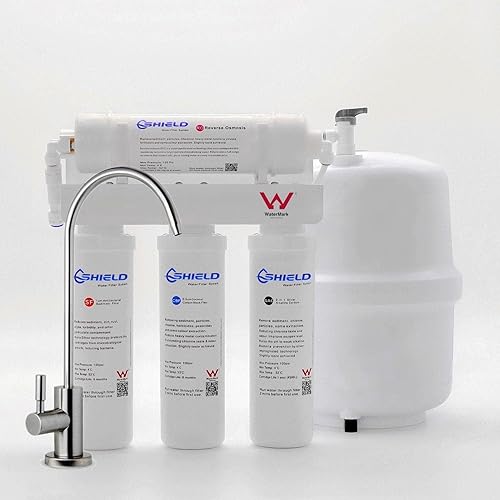
The gold standard for water purity combined with alkalinity. This 5-stage undersink system pushes water through a 150GPD reverse osmosis membrane, removing 99% of dissolved solids including fluoride, lead, and heavy metals. The final alkaline remineralisation stage adds minerals back for a healthy pH 8–9. Includes an 8L pressurised storage tank and stainless steel tap.
Pros
- 99% TDS removal (fluoride, lead, heavy metals)
- Alkaline remineralisation built in
- 150GPD high flow rate
- 8L storage tank included
Cons
- Produces wastewater
- Requires plumbing + electricity
- Higher ongoing filter costs
4. Organic Greek Alkaline Hydrogen Ionizer Stick

The most portable option in our roundup. This 304 stainless steel stick contains a natural mineral mix that ionizes water when dropped into any bottle or glass. At 135mm long, it fits anywhere and lasts up to 300 uses (~6 months). It even self-cleans. Perfect for travellers, gym-goers, or anyone who wants to try ionized water without committing to a full system.
Pros
- Ultra-portable (fits any bottle)
- 304 stainless steel
- 300 uses / ~6 months lifespan
- Self-cleaning capability
Cons
- Minimal contaminant removal
- Modest pH boost vs dedicated systems
- Must wait minutes for ionization
5. Alkaline Electrolyzed Water Machine

An affordable entry into electric ionization. This countertop machine features a built-in activated carbon fibre filter element for basic contaminant removal, combined with an electrolysis chamber that produces hydrogen-rich alkaline water. The compact design requires no professional installation — just connect and go. A solid choice if you want to experience electric ionization without the $2,000+ price tag of premium brands.
Pros
- Electric ionization at affordable price
- Built-in carbon filter
- Hydrogen-rich water output
- Compact, easy setup
Cons
- Basic single-stage filtration
- Less precise than premium ionizers
- Shorter warranty than top brands
Frequently Asked Questions
- Is ionized water the same as alkaline water?
- Not exactly. All ionized water is alkaline, but not all alkaline water is ionized. “Ionized” specifically refers to water that has been through electrolysis, which separates ions and can produce molecular hydrogen. Alkaline water simply means water with a pH above 7 — which can be achieved by adding minerals without any electrolysis. The practical difference for drinking is minimal; the taste and mineral content are similar.
- How much does a water ionizer cost to run?
- Mineral filters and pitchers cost $40–$80/year in replacement cartridges. Electric ionizers cost $50–$150/year in filters plus minor electricity. RO systems add a small amount to your water bill due to wastewater. Even the most expensive option costs far less per litre than bottled alkaline water.
- Do water ionizers remove fluoride?
- Standard electric ionizers and mineral filters generally do not remove fluoride. For fluoride removal, you need either a reverse osmosis system or a filter specifically rated for fluoride reduction (like the Alkanatur pitcher with its activated coconut carbon and zeolite). Always check the manufacturer’s contaminant removal claims and look for third-party test results.
- Is a $3,000 electric ionizer worth it over a $100 mineral filter?
- For most households, no. Both produce mildly alkaline, mineral-enriched drinking water. Electric ionizers add precise pH control, molecular hydrogen production, and acidic water output for cleaning. These are nice-to-have features, but the core benefit — cleaner, alkaline water — is achievable at a fraction of the cost. Electric ionizers make sense for dedicated health enthusiasts or those who specifically want therapeutic-level hydrogen output.
- Can I use a water ionizer with hard water?
- Yes, but hard water causes calcium scale buildup on electrolysis plates over time, reducing performance. Choose a model with automatic self-cleaning (continuous or reverse-polarity) if your water is hard. Mineral filters are less affected by hard water since they do not have plates to scale.
- How long do water ionizer filters last?
- Pitcher cartridges: 2–4 months. Gravity-fed cartridges: 6 months / ~5,000L. Undersink carbon filters: 6–12 months. RO membranes: 2–3 years. Ionizer sticks: ~6 months / 300 uses. Always follow manufacturer guidelines and replace sooner if taste or flow rate changes.
Final Thoughts
A water ionizer can be a worthwhile addition to your home — but only if you go in with realistic expectations. The genuine value lies in better-tasting, cleaner water with added minerals. That is a meaningful upgrade from straight tap water, and you do not need to spend thousands to get it.
For most people, a quality alkaline pitcher like the Alkanatur or a gravity-fed 8-stage system provides excellent results at an affordable price. If you want the purest possible water, a 5-stage RO with alkaline remineralisation is the most thorough option. And if you are curious about ionized water on the go, a portable ionizer stick lets you try it for under $50.
Whatever you choose, prioritise filtration quality over pH numbers, ignore exaggerated health claims, and calculate the total cost of ownership before buying. Your water will taste better, and your body will appreciate the cleaner mineral profile.
