


If you have been researching ways to improve your drinking water quality, you have likely come across ionizing water filters. These systems use electrolysis or mineral-based technology to raise the pH of your water, potentially offering alkaline, mineral-rich drinking water right from your tap. But how do they actually work, are the health claims legitimate, and which products are worth your money?
In this comprehensive guide, we break down the science behind water ionization, explore the real benefits and limitations, walk you through what to look for when buying, and recommend five of the best ionizing water filter products available in 2025.
What Is an Ionizing Water Filter?
An ionizing water filter is a water treatment device that alters the pH level of your drinking water, making it more alkaline. Unlike standard water filters that simply remove contaminants, ionizing filters go a step further by restructuring the mineral content of the water through either electrical charge (electrolysis) or natural mineral contact.
The result is water with a higher pH (typically between 8.0 and 9.5) that contains concentrated beneficial minerals such as calcium, magnesium, and potassium. Many ionizers also produce a secondary acidic water stream that can be used for cleaning, skincare, or plant watering.
How Does Water Ionization Work?
Water ionization involves passing filtered water through an electrolysis chamber containing platinum-coated titanium plates. Here is a step-by-step breakdown of the process:
Step 1: Pre-Filtration
Tap water first passes through one or more filters (usually activated carbon or sediment filters) to remove chlorine, heavy metals, sediment, and organic compounds. This step ensures the water entering the ionization chamber is clean.
Step 2: Electrolysis
The filtered water enters an electrolysis chamber containing charged plates separated by an ion-permeable membrane. When an electrical current is applied, positively charged mineral ions (calcium, magnesium, potassium) migrate toward the negative electrode, while negatively charged ions move toward the positive electrode.
Step 3: pH Separation
This process splits the water into two streams. The alkaline stream (pH 8.0 to 9.5) is rich in beneficial minerals and dissolved molecular hydrogen, making it suitable for drinking. The acidic stream (pH 4.0 to 6.0) is diverted separately and can be used for external purposes like cleaning or skincare.
Step 4: Dispensing
Most electric ionizers allow you to select your desired pH level via a control panel. The alkaline water is dispensed through the main faucet, while the acidic water exits through a separate hose.
Key Benefits of Ionized Water
While some health claims around ionized water remain debated, there are several well-established benefits:
- Improved Hydration and Taste: Many users report that ionized water tastes smoother and cleaner than standard tap water. The smaller molecular cluster size is believed to aid absorption.
- Rich in Molecular Hydrogen: Electric ionizers produce dissolved hydrogen gas (H2), which has antioxidant properties. Peer-reviewed research has shown potential benefits of molecular hydrogen for reducing oxidative stress.
- Mineral Concentration: The ionization process concentrates beneficial minerals on the alkaline side, providing calcium, magnesium, and potassium in every glass.
- Built-in Filtration: Most ionizers include carbon or multi-stage filtration that removes chlorine, sediment, and other common contaminants before ionization occurs.
- Dual-Purpose Output: The acidic water by-product is useful for household cleaning, watering plants, and as a natural skin toner, reducing waste.
- Long-Term Cost Savings: While the upfront cost can be significant, a quality ionizer can last 10 to 20 years, making the per-litre cost of alkaline water very low compared to buying bottled alkaline water.
Potential Drawbacks and Things to Consider
Before investing in an ionizing water filter, it is important to understand the limitations:
- High Upfront Cost: Quality electric water ionizers typically range from $500 to over $4,000. While they pay for themselves over time, the initial investment is significant compared to standard water filters.
- Source Water Dependency: Ionizers need minerals in the source water to work. Very soft water or reverse osmosis-treated water will not ionize effectively without a remineralization stage.
- Health Claims Are Debated: While molecular hydrogen research is promising, many alkaline water health claims lack large-scale clinical evidence. Mainstream health organisations recommend caution with exaggerated marketing claims.
- Installation Requirements: Countertop models need access to your faucet, while under-counter models may require professional plumbing. Some units need an electrical outlet near the sink.
- Ongoing Maintenance: Electrolysis plates require periodic cleaning (usually automated), and filters need replacement every 6 to 12 months. Neglecting maintenance reduces performance and water quality.
- Not a Standalone Purifier: While ionizers include basic filtration, they are not designed to handle heavily contaminated water. For well water or water with high levels of heavy metals, additional pre-treatment is recommended.
Types of Ionizing Water Filters
Ionizing water filters come in several form factors, each suited to different needs and budgets:
1. Electric Countertop Ionizers
These sit on your countertop and connect to your existing faucet via a diverter valve. They offer the most powerful ionization with adjustable pH levels, multiple platinum-titanium plates, and the highest ORP and hydrogen output. Best for households that want maximum control and performance.
2. Electric Under-Counter Ionizers
Installed beneath the sink with a dedicated faucet, these provide the same electrolysis technology as countertop models but with a cleaner, space-saving installation. Ideal for modern kitchens where countertop space is at a premium.
3. Non-Electric Mineral Ionizing Filters
These use natural ionizing minerals such as magnesium, tourmaline, zeolite, and magnetised ceramics to raise pH and add minerals without electricity. They produce a milder alkaline effect (pH 8.0 to 8.5) and are significantly more affordable. Great for renters or those on a budget.
4. Alkaline Water Filter Jugs
Portable pitcher-style filters that use mineral cartridges to alkalize water. They offer the lowest cost entry point and require no installation. However, they have limited capacity, slower flow rates, and produce a milder pH change than electric units.
5. Multi-Stage Undersink Alkaline Systems
These combine sediment filtration, carbon block filtration, and an alkaline remineralization stage in a compact under-sink package. They do not use electrolysis but instead pass water through mineral media to raise pH. A good middle-ground between pitcher filters and full electric ionizers.
What to Look For: Buying Guide
When choosing an ionizing water filter, evaluate these key criteria:
- Number of Plates (Electric Models): More plates generally mean better ionization. Entry-level models have 5 plates, mid-range have 7 to 9, and premium units have 11 to 13. For most households, 7 plates provide excellent performance.
- Filtration Quality: Look for systems with multi-stage filtration that removes chlorine, heavy metals, VOCs, and sediment. Dual-filter systems offer better protection than single-filter units.
- pH Range: A good ionizer should produce alkaline water between pH 8.0 and 10.0, and acidic water between pH 4.0 and 6.0. Wider ranges offer more versatility.
- ORP and Hydrogen Output: Negative ORP values indicate antioxidant potential. Look for models that achieve at least -400 to -800 ORP and measurable dissolved hydrogen.
- Flow Rate: Higher flow rates mean less waiting. Most quality ionizers deliver 2 to 3 litres per minute, but budget models may be slower.
- Certifications: Look for WaterMark certification and NSF/ANSI testing. These verify that the product meets plumbing and safety standards.
- Warranty: Premium ionizers typically come with 10 to 15-year or lifetime warranties. Avoid models with warranties under 5 years.
- Self-Cleaning Function: Electric ionizers should have automatic plate cleaning to prevent mineral buildup. This extends the life of the electrolysis chamber significantly.
Top 5 Recommended Ionizing Water Filters
We have selected five products that represent the best options across different budgets and installation types. Each has been chosen for its filtration quality, ionization capability, and overall value.
| Product | Type | Key Feature | Links |
|---|---|---|---|
 |
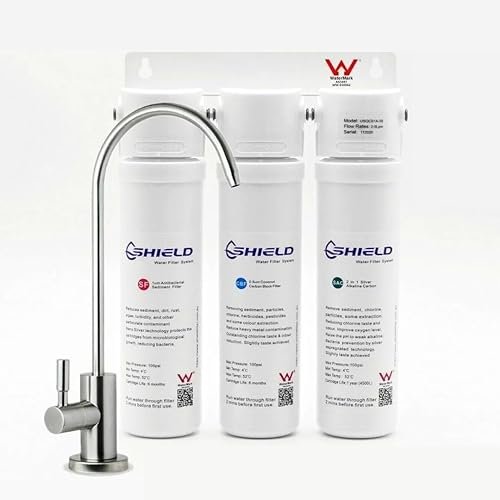
3-Stage Undersink | Silver alkaline technology, WaterMark certified | Buy on AmazonBuy on eBay |
 |
Triple Undersink | Quick-change cartridges, 12-month extras included | Buy on AmazonBuy on eBay |
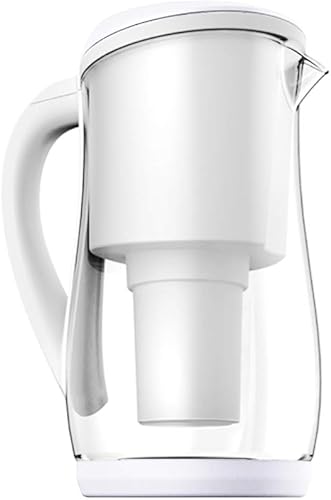 |
Alkaline Filter Jug | Hand-blown borosilicate glass, pH 8.0-8.5 | Buy on AmazonBuy on eBay |
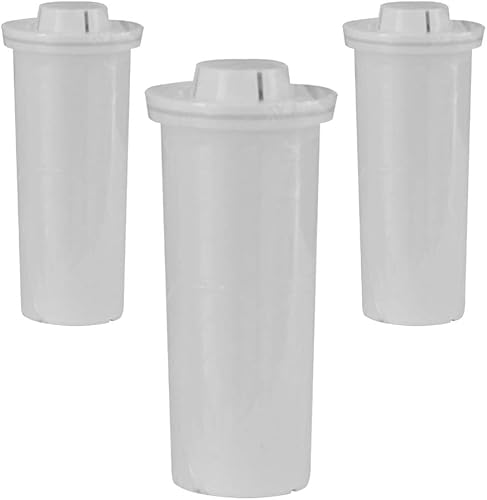 |
Mineral Cartridge Set | Natural ionisation via biomineral media | Buy on AmazonBuy on eBay |
 |
2-Stage Undersink | WaterMark certified, SUS304 lead-free tap | Buy on AmazonBuy on eBay |
1. 3-Stage Undersink Alkaline Water Filter System
This WaterMark-certified system delivers advanced 3-stage filtration combining sediment removal, high-quality coconut carbon block, and silver alkaline technology. The durable SUS304 stainless steel tap adds a premium touch while ensuring no lead contamination. Installation is straightforward with a compact design that fits neatly under most kitchen sinks.
- WaterMark certified for plumbing compliance
- Silver alkaline technology for pH enhancement
- Premium stainless steel tap included
- May require professional installation
- Replacement filters can be hard to source
2. Shield Triple Undersink Alkaline Water Filter System
The Shield Triple system is a comprehensive 3-stage alkaline filtration package that comes with an extra 12 months of replacement cartridges, making it exceptional value for money. It removes 99% of chlorine while balancing pH levels for healthier drinking water. The quick-change cartridge design means no tools are needed for filter swaps, and the included SUS304 lead-free tap ensures safe, clean delivery.
- Includes 12 months of extra replacement filters
- Quick-change cartridges with no tools required
- Removes 99% of chlorine
- Undersink space required for installation
- Limited pH adjustment compared to electric ionizers
3. Gentoo Glass Alkaline Water Filter Jug
For those who want alkaline ionized water without any installation, the Gentoo Glass jug is a standout option. Made from resilient hand-blown borosilicate glass, it alkalizes water to a healthy pH range of 8.0 to 8.5 while eliminating harmful pollutants including chlorine and fluoride. The 1.5L capacity is perfect for personal or small household use, and the BPA, BPS, and phthalate-free construction ensures nothing unwanted leaches into your water.
- Premium borosilicate glass construction
- No installation required
- Removes chlorine and fluoride
- Small 1.5L capacity
- Slower filtration than plumbed systems
4. Biomineral Filter Cartridges for Waterman Water Filter
This set of three biomineral cartridges transforms standard filtered water into mineral-rich, naturally ionized drinking water. Using premium filter technology with natural mineral media, these cartridges produce basic (alkaline) ionized water without electricity. They are designed for the Waterman Water Filter system and offer high filter performance with an environmentally friendly design that reduces plastic bottle waste.
- Natural mineral ionization without electricity
- Set of 3 cartridges for long-term value
- Eco-friendly alternative to bottled water
- Requires compatible Waterman filter system
- Milder ionization than electric models
5. Quick Change Twin Undersink Water Filter System
This compact 2-stage undersink system delivers clean, chlorine-free water through a WaterMark-certified design. The quick-change cartridge mechanism allows hassle-free filter replacement in seconds with no tools required. It includes a premium SUS304 lead-free stainless steel tap and comes bundled with extra 12 months of replacement filters, offering outstanding long-term value for families wanting improved water quality.
- WaterMark certified for safety compliance
- Extra 12-month replacement filters included
- Tool-free cartridge swaps
- 2-stage only (no dedicated alkaline stage)
- Requires undersink mounting space
Frequently Asked Questions
- What is the difference between an ionizing water filter and a regular water filter?
- A regular water filter removes contaminants like chlorine, sediment, and heavy metals. An ionizing water filter does all of that but also alters the pH of the water through electrolysis or mineral contact, producing alkaline water with concentrated beneficial minerals and, in the case of electric models, dissolved molecular hydrogen.
- Is ionized water safe to drink every day?
- Yes, alkaline ionized water with a pH between 8.0 and 9.5 is generally considered safe for daily consumption. However, very high pH levels (above 10.0) are not recommended for regular drinking. If you have kidney disease or take medications that affect mineral balance, consult your doctor before switching to ionized water.
- How long do ionizing water filter cartridges last?
- Most ionizing filter cartridges last between 6 and 12 months, depending on usage and source water quality. Electric ionizer internal filters typically handle 3,000 to 6,000 litres before needing replacement. Mineral-based cartridges in jugs and non-electric systems usually need replacing every 2 to 3 months.
- Do I need a plumber to install an undersink ionizing filter?
- Most undersink alkaline filter systems are designed for DIY installation and come with detailed instructions and all necessary fittings. However, if you are not comfortable with basic plumbing or your kitchen setup is unusual, professional installation is recommended. Countertop ionizers and pitcher filters require no installation at all.
- Can I use an ionizing filter with tank (rainwater) or bore water?
- You can, but additional pre-filtration is strongly recommended. Tank and bore water may contain bacteria, high sediment levels, or elevated mineral concentrations that can damage ionizer plates or produce inconsistent results. A sediment filter and UV steriliser before the ionizer will ensure optimal performance.
- What pH level should I set my water ionizer to?
- For daily drinking, a pH of 8.5 to 9.0 is most commonly recommended. If you are new to ionized water, start at pH 8.0 and gradually increase over a few weeks. Levels of 9.5 and above are typically reserved for cooking or specific uses rather than all-day drinking.
- Are expensive electric ionizers worth the investment over mineral filters?
- Electric ionizers offer stronger ionization, adjustable pH, higher molecular hydrogen output, and longer lifespan. If you are committed to drinking ionized water long-term and want maximum control, the investment pays off over 5 to 10 years. For casual users or those on a budget, mineral-based systems and alkaline jugs provide a meaningful improvement at a fraction of the cost.
Final Thoughts
Ionizing water filters offer a genuinely different approach to water treatment, going beyond simple contaminant removal to actively enhance the mineral content and pH of your drinking water. Whether you choose a premium electric countertop ionizer or an affordable alkaline filter jug, the key is matching the product to your household needs, budget, and source water quality.
For most households, a multi-stage undersink alkaline system like the Shield Triple or the 3-Stage Alkaline Filter System represents the best balance of performance, convenience, and value. If you prefer a portable, zero-installation option, the Gentoo Glass jug is an excellent starting point that delivers genuine alkaline filtration in a beautifully crafted package.
