


Alkaline Water Machine: How It Works, Benefits, and What to Buy (2025)
Updated: April 2025 | Category: Alkaline Filters | Reading time: 14 min
Alkaline water machines have become one of the most talked-about home water treatment options in recent years. But what exactly do they do, how do they work, and are they worth the investment? This guide breaks down the science, the different types available, and what to look for before you buy — plus our top picks if you decide to take the plunge.
What Is an Alkaline Water Machine?
An alkaline water machine is a home appliance that raises the pH of your drinking water above the neutral level of 7.0, typically to somewhere between 8.0 and 9.5. Regular tap water usually sits around pH 6.5–7.5 depending on your local supply. By increasing the pH, these machines produce water that is less acidic and richer in minerals like calcium, magnesium, and potassium.
The term “alkaline water machine” actually covers several very different technologies — from high-end electric ionizers that use electrolysis to split water into alkaline and acidic streams, to simple gravity-fed filters that pass water through mineral media. Understanding these differences is crucial before making a purchase, because prices range from under $50 to over $4,000.
How Does an Alkaline Water Machine Work?
There are three main methods that alkaline water machines use to raise pH:
1. Electrolysis (Electric Ionizers)
The most advanced (and expensive) approach. Water flows over platinum-coated titanium electrode plates inside an electrolysis chamber. A direct electrical current separates the water into two streams: alkaline water (rich in hydroxide ions) flows out of the main spout for drinking, while acidic water exits through a separate drain hose. These machines offer precise pH control, typically ranging from pH 3.0 to 11.5, and produce water with a negative ORP (Oxidation Reduction Potential), which some claim has antioxidant properties.
2. Mineral Filtration (Passive Alkaline Filters)
These systems pass water through mineral-rich media such as alkaline ceramic balls, KDF (Kinetic Degradation Fluxion) alloy, calcite, or mineral stones. As water flows through, it dissolves small amounts of calcium, magnesium, and potassium, naturally raising the pH to a mildly alkaline 8.0–9.0. These machines require no electricity and are significantly more affordable, though they offer less pH control than electric ionizers.
3. Reverse Osmosis + Remineralisation
Some systems combine a reverse osmosis membrane (which removes virtually all dissolved solids, including minerals) with a final alkaline remineralisation stage that adds beneficial minerals back. This produces very pure water with a mildly alkaline pH. It is arguably the most thorough approach to water treatment, addressing both purity and alkalinity.
Key Benefits of Alkaline Water
Here is an honest look at what alkaline water machines can and cannot do:
Well-Established Benefits
- Improved taste: Many users report that alkaline water tastes smoother and less “flat” than regular tap water, largely due to the added minerals.
- Contaminant removal: Most alkaline machines include multi-stage filtration that removes chlorine, heavy metals, sediment, and other impurities — arguably the biggest practical benefit.
- Mineral enrichment: Alkaline systems add or preserve essential minerals like calcium and magnesium that are beneficial for bone and heart health.
- Reduced plastic waste: Owning any home water treatment system eliminates the need for bottled water.
Claimed (But Less Proven) Benefits
- Better hydration: A 2017 study found athletes drinking alkaline water showed improved hydration markers, but larger studies are needed.
- Acid reflux relief: One lab study showed pH 8.8 water deactivated pepsin (a digestive enzyme linked to reflux), but clinical evidence is limited.
- Antioxidant properties: Electric ionizers produce water with negative ORP, which some claim acts as an antioxidant. The scientific consensus on this is still developing.
Potential Drawbacks to Consider
Before investing in an alkaline water machine, be aware of these downsides:
- Exaggerated health claims: Many manufacturers make bold claims about curing diseases or “detoxifying” the body. Approach these with scepticism — the science does not support most of them.
- Cost vs. benefit: Electric ionizers can cost $1,000–$4,000+. For basic alkaline water, a $50–$300 mineral filter achieves a similar pH result at a fraction of the price.
- Maintenance costs: Filter cartridges and electrode cleaning solutions add ongoing expense. Budget $50–$150/year for replacement filters depending on the system.
- No contaminant removal from electrolysis alone: The ionization process itself does not remove contaminants. Only the built-in pre-filters do that. A cheap ionizer with poor filtration gives you alkaline water that still contains impurities.
- Medication interactions: If you take medication, consult your doctor. Highly alkaline water (pH 10+) may affect how certain drugs are absorbed in the stomach.
- Hard water issues: In areas with hard water, calcium buildup can damage electrode plates over time. Self-cleaning models help, but add to the cost.
Types of Alkaline Water Machines
Understanding the categories helps you choose the right machine for your needs and budget:
| Type | How It Works | pH Range | Price Range | Best For |
|---|---|---|---|---|
| Electric Ionizer (Countertop) | Electrolysis plates split water | pH 3.0–11.5 | $1,000–$4,000+ | Enthusiasts wanting precise pH control |
| Electric Ionizer (Under-counter) | Same as above, hidden installation | pH 3.0–11.5 | $1,500–$5,000 | Premium kitchens, clean countertops |
| Gravity-Fed Mineral Filter | Mineral media raises pH passively | pH 8.0–9.0 | $50–$200 | Budget-conscious, renters, families |
| Undersink Alkaline Filter | Multi-stage filtration + alkaline cartridge | pH 8.0–9.5 | $150–$500 | Homeowners wanting clean, out-of-sight install |
| RO + Alkaline Remineraliser | Reverse osmosis + mineral post-filter | pH 8.0–9.0 | $200–$600 | Maximum purification + alkalinity |
| Alkaline Water Pitcher/Stick | Mineral cartridge or stick in container | pH 8.0–9.0 | $15–$60 | Travellers, trying before committing |
What to Look For: Buying Guide
If you have decided an alkaline water machine is right for you, here are the key factors to evaluate:
1. Filtration Quality (Most Important)
The filtration system matters more than the ionization. Look for multi-stage filters that remove chlorine, heavy metals, sediment, and ideally fluoride. Systems with activated carbon blocks, KDF media, or ceramic elements offer the best contaminant removal. Third-party certifications (NSF, SGS, WaterMark) provide independent verification.
2. pH Range and Control
For drinking, you want pH 8.0–9.5. Electric ionizers offer the widest range (pH 3–11+), but most people only use the mild alkaline settings. Mineral filters produce a narrower but perfectly adequate range of pH 8–9.
3. Build Quality and Materials
Stainless steel bodies outlast plastic. For electric ionizers, look for solid (not mesh) titanium plates coated with platinum. For gravity-fed systems, BPA-free food-grade materials are essential. A lead-free dispensing tap (SUS304 stainless) is a good sign of quality.
4. Maintenance and Filter Costs
Calculate the total annual cost of ownership, not just the purchase price. Replacement filters cost $30–$100 each and are needed every 6–12 months. Self-cleaning features in electric ionizers reduce calcium buildup and extend plate life.
5. Installation Requirements
Gravity-fed and countertop systems need zero installation. Undersink systems require basic plumbing. Electric ionizers typically connect to your faucet aerator in 10–15 minutes. Consider your living situation — renters often prefer no-install options.
6. Warranty and Support
Reputable brands offer 3–5 year warranties. Be cautious of companies with no local support or that refuse to share third-party test results. ETL, CE, or UL safety marks are a plus for electric models.
Our Top 5 Picks for 2025
Based on the criteria above, here are five alkaline water machines that offer genuine value across different budgets and use cases.
| Product | Type | Stages | Key Feature | Links |
|---|---|---|---|---|
| Aimex 16L 8-Stage | Benchtop gravity | 8 | SGS certified, KDF + alkaline minerals | Amazon eBay |
| 3-Stage Silver Alkaline Undersink | Undersink | 3 | WaterMark certified, antibacterial silver tech | Amazon eBay |
| 5-Stage Alkaline RO 150G | Undersink RO | 5 | RO membrane + alkaline remineralisation | Amazon eBay |
| Phoenix Gravity 8L Stainless Steel | Countertop gravity | 2 | NSF-grade stainless, no electricity needed | Amazon eBay |
| Philips Water Station 2.2L | Countertop dispenser | 1 (Taste+ filter) | Hot + cold filtered water, 6 temp presets | Amazon eBay |
Brief Reviews
1. Aimex 16L Bench Top 8-Stage System

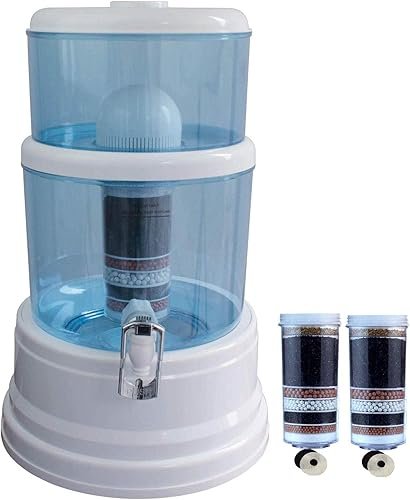
The Aimex 16L is our top pick for most households. Its 8-stage filtration combines ceramic, activated charcoal, KDF media, and alkaline mineral balls to produce clean, mildly alkaline water with no electricity or plumbing required. The SGS-certified quality and large 16L capacity make it practical for families. Simply fill the top chamber and gravity does the work.
Pros
- Comprehensive 8-stage filtration
- No installation needed
- SGS third-party certified
- Affordable
Cons
- Slow gravity flow rate
- Plastic housing
- Benchtop space required
2. 3-Stage Silver Alkaline Undersink System

If you want alkaline water from a dedicated tap without taking up counter space, this WaterMark-certified undersink system is a strong choice. The silver alkaline filter provides antibacterial properties alongside pH enhancement, while the 0.5-micron coconut carbon block handles chlorine and fine particulates. Comes with a premium SUS304 stainless steel tap.
Pros
- Hidden undersink installation
- Antibacterial silver technology
- WaterMark certified
- Quick-change filters
Cons
- Requires basic plumbing
- Only 3 filtration stages
- No storage tank
3. 5-Stage Alkaline Reverse Osmosis 150G
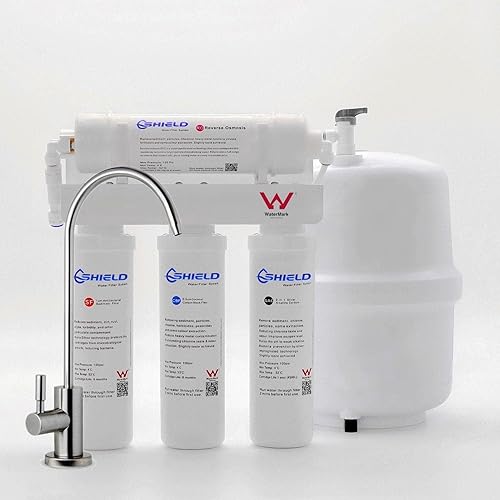
For maximum water purity combined with alkalinity, this 5-stage RO system is hard to beat. The 150GPD membrane removes up to 99% of dissolved solids including fluoride and heavy metals, then the alkaline remineralisation stage adds minerals back for a healthy pH 8–9. Includes an 8L pressurised tank and stainless steel tap.
Pros
- Best purification (99% TDS removal)
- Removes fluoride and heavy metals
- Alkaline remineralisation built in
- 8L storage tank
Cons
- Produces wastewater
- Needs electricity (pump)
- Complex installation
4. Phoenix Gravity 8L Stainless Steel Filter

A premium gravity-fed option built entirely from stainless steel. The Phoenix uses carbon filter cartridges to remove chlorine and contaminants while its all-metal construction ensures durability and zero chemical leaching. Compact at 8L, it is ideal for smaller households, travel, or off-grid living. No electricity or plumbing needed.
Pros
- Full stainless steel build
- Portable and durable
- Eco-friendly, no power needed
- Long-lasting cartridges
Cons
- Smaller 8L capacity
- Only 2-stage filtration
- Higher upfront cost for size
5. Philips Water Station 2.2L Dispenser

A modern twist on water filtration — the Philips Water Station filters water through its Taste+ cartridge (removing chlorine, limescale, heavy metals, microplastics, and PFOA) and delivers it at 6 different temperature presets via a touch screen. At $256, it is a premium countertop option that replaces your kettle, water filter, and bottled water in one compact unit.
Pros
- Hot + cold filtered water in seconds
- Removes microplastics and PFOA
- 6 temperature presets + touch screen
- Philips brand reliability
Cons
- Small 2.2L tank
- Requires electricity
- Not specifically alkaline-focused
Frequently Asked Questions
- Is alkaline water actually better for you than regular water?
- The honest answer is: it depends on what you mean by “better.” Alkaline water from a quality machine tastes smoother, contains beneficial minerals, and has had contaminants filtered out — all genuine improvements. However, claims about curing diseases, detoxifying the body, or dramatically improving health are not well-supported by scientific evidence. Your body regulates its own pH regardless of what you drink. Think of it as cleaner, better-tasting water with added minerals — not a medical treatment.
- How much does an alkaline water machine cost to run?
- For gravity-fed mineral filters, the main ongoing cost is replacement cartridges: typically $20–$50 every 6 months. Undersink alkaline filters run about $40–$80/year in cartridges. RO systems add a small amount to your water bill due to wastewater. Electric ionizers have filter costs ($50–$150/year) plus minor electricity usage. Overall, even the most expensive system costs far less per litre than bottled water.
- What is the ideal pH for drinking water?
- Most experts and health advocates recommend pH 8.0–9.5 for daily drinking water. Going above pH 10 is unnecessary for consumption and may taste unpleasantly “slippery.” Electric ionizers that produce very high pH water (pH 10–11+) are typically used for cleaning or food preparation, not drinking.
- Do I need an electric ionizer, or is a mineral filter enough?
- For most households, a mineral filter or alkaline filtration system provides everything you need: clean water with a mildly alkaline pH and added minerals. Electric ionizers are worth considering if you want precise pH control, the highest negative ORP values, or the ability to produce both alkaline and acidic water for different uses. But at 5–20x the price of a good mineral filter, they are a premium choice rather than a necessity.
- Can I use an alkaline water machine with bore or well water?
- Yes, but choose a system with robust pre-filtration (ceramic or sediment filters) to handle particles and potential bacteria. Gravity-fed systems with ceramic elements or RO systems with sediment pre-filters are best suited for untreated water sources. A basic undersink alkaline filter may clog quickly with untreated bore water.
- How often do I need to replace the filters?
- It varies by system: gravity-fed cartridges last 6–8 months or ~5,000 litres, undersink carbon/alkaline cartridges last 6–12 months, and RO membranes last 2–3 years. Always follow the manufacturer’s schedule, and replace sooner if you notice reduced flow rate or changes in water taste.
- Are alkaline water machines safe?
- Yes, when used as directed. Look for systems made with BPA-free, food-grade materials and third-party certifications (NSF, SGS, WaterMark). The only caution is for people taking medication — consult your doctor if you plan to drink water above pH 9.5 regularly, as it may affect drug absorption.
Final Thoughts
An alkaline water machine is a worthwhile investment if you want cleaner, better-tasting drinking water enriched with beneficial minerals. The key is to set realistic expectations: you are buying a quality water filtration system that also raises pH, not a miracle health device.
For most people, a gravity-fed 8-stage system like the Aimex 16L offers the best balance of filtration quality, alkaline output, and value. If you want the cleanest possible water, a 5-stage RO with alkaline remineralisation is the gold standard. And if counter space is limited, an undersink alkaline filter tucks away neatly while delivering alkaline water from a dedicated tap.
Whichever route you choose, focus on filtration quality first and alkalinity second — because the biggest health benefit of any water machine is removing the contaminants you do not want, not just raising the pH.
